
Available 24/7
Blog
How to Adopt a Child in Massachusetts
March 20, 2026
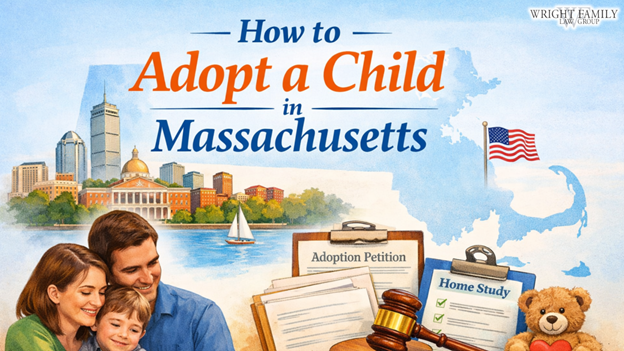
Adoption creates a permanent legal bond between a child and an adoptive parent. The adoptive parent is not the child’s birth parent. Once a judge signs the final decree, the adoptive parent has the same legal rights. They also have the same duties and responsibilities as any other parent.
Massachusetts law allows several types of adoption. These include step-parent adoption, private or agency adoption, and foster care adoption. Each path has specific legal steps. Each path also requires paperwork and court approval.
This article explains the legal rules for adopting a child in Massachusetts. It also explains what families can expect during the process.
Who Can Adopt a Child in Massachusetts
Massachusetts law allows many individuals and couples to adopt. Prospective adoptive parents may include:
- Married couples
- Single adults
- Step-parents
- Certain relatives, such as grandparents or other family members
The court focuses on whether the adoption is in the best interests of the child. When deciding if an adoptive family is a good fit, consider long-term stability. Also consider the child’s current bond and the family’s ability to provide a secure, supportive home.
Types of Adoption in Massachusetts
Adoptions in Massachusetts generally fall into several categories.
1. Step-Parent Adoption
Step-parent adoption is one of the most common forms of adoption. It allows a step-parent to legally become the parent of their spouse’s child. Often, the child’s other biological parent needs to agree to the adoption.
If they do not give consent, the court must end their parental rights before the adoption can continue. Step-parent adoption is common in blended families. In these situations, families may also want to plan ahead for financial and legal responsibilities.
2. Agency Adoption
In agency adoptions, a licensed adoption agency works with both birth parents and families hoping to adopt. The agency usually handles placement plans, supports birth mothers throughout the process, and teams up with social workers. Social workers assess the situation and help the child settle in.
3. Foster Care Adoption
In Massachusetts, children in foster care can be adopted if they are unable to return to their birth parents. Many of these children entered foster care due to abuse or neglect.
Sometimes, foster parents choose to adopt the child they have been caring for and become their permanent family. The Massachusetts DCF (Department of Children and Families) often helps make these adoptions possible.
4. Relative or Kinship Adoption
In some cases, a child is adopted by a family member, like a grandparent, aunt, or uncle.
This usually happens when the child’s parents cannot take care of them. In some situations, families may consider guardianship as an alternative before deciding to adopt.
The Adoption Process in Massachusetts
While the details may differ based on the type of adoption, most adoptions go through a similar legal process.
Filing the Adoption Petition
The first step is to file an adoption petition with the Massachusetts Probate and Family Court. This petition gives details about the adoptive parent, the child, and the reasons for the adoption.
Home Study or Investigation
The court often asks for a home study. In this process, trained social workers look at the adoptive parent’s household and personal background.
They also check if the parent can care for the child. The review might look at finances, medical care plans, and home safety. It also considers anything else that could affect the child’s physical and mental health.
Background Checks
People who want to adopt may need to go through background checks. These checks help make sure the child will be placed in a safe home.
Court Review
The court looks at the request to adopt, other paperwork, and any reports from investigations. Judges decide whether the adoption is in the child’s best interests.
Do Both Parents Have to Consent to Adoption
In most cases, both biological parents need to agree to the adoption. However, there are times when consent is not needed, such as:
- A parent’s rights have already been terminated
- A parent cannot be located
- A court determines that a parent is unfit under state law
In these cases, the court can let the adoption move forward without the birth family’s consent.
The Adoption Hearing
Before an adoption is finalized, the court holds a hearing. At this hearing, the judge looks over the adoption petition and may ask questions to make sure the adoption is voluntary and suitable.
If the judge approves the adoption, the court gives a final adoption decree. From then on, the adoption is legally binding, and the adoptive parent has full custody of the child by court order.
Finalizing an Adoption in Massachusetts
Finalizing an adoption means the parent and child are legally connected for life. The adoptive parent gains full child custody and takes on all the rights and responsibilities that come with being a legal parent.
These rights and responsibilities include:
- The right to make decisions for the child
- Responsibility for caring for and supporting the child, including financial obligations similar to child support.
- Being legally recognized as the child’s parent
Often, a new birth certificate is created that lists the adoptive parent as the child’s legal parent. After adoption, the adoptive parent is in charge of the child’s upbringing, education, health care, and overall well-being.
When to Speak With a Family Law Attorney
Adoption forms a lasting legal bond between a parent and a child. Because the process often involves court forms and consent rules, many families talk to a lawyer first.
A family law attorney can explain adoption in Massachusetts. They can help prepare and file the required paperwork. They can represent families in court if problems come up.
Getting legal advice is invaluable for step-parent, foster care, or kinship adoptions. Also, useful when people disagree about parental rights. A lawyer can also make sure the adoption follows Massachusetts law and looks out for the child’s best interests.
Speak With Wright Family Law Group
If you are thinking about adopting a child in Massachusetts, talking to a family law attorney can be helpful. An attorney can walk you through your options and explain the legal process.
The attorneys at Wright Family Law Group help families with step-parent, kinship, and foster care adoptions. They also assist with other adoption matters throughout Massachusetts.
You can book a free 15-minute discovery call to talk about your situation and learn more about the adoption process. If you need more in-depth legal advice, you can set up a longer consultation to go over your case and possible next steps.

BEGIN YOUR JOURNEY TO RESOLUTION
Schedule Your Expert
Consultation Now

Attorney Advertising. This information is designed for general information only. The information presented should not be construed to be formal legal advice nor the formation of a lawyer/client relationship. Past results and testimonials are not a guarantee, warranty, or prediction of the outcome of your case, and should not be construed as such. Past results cannot guarantee future performance. Any result in a single case is not meant to create an expectation of similar results in future matters because each case involves many different factors, therefore, results will differ on a case-by-case basis. By providing contact information, users acknowledge and give explicit consent to be contacted via the methods of communication provided, including SMS. Message and data rates may apply. Message frequency may vary. Reply STOP to opt out.
Copyright 2026 All Rights Reserved | Accessibility Notice | Privacy Policy